
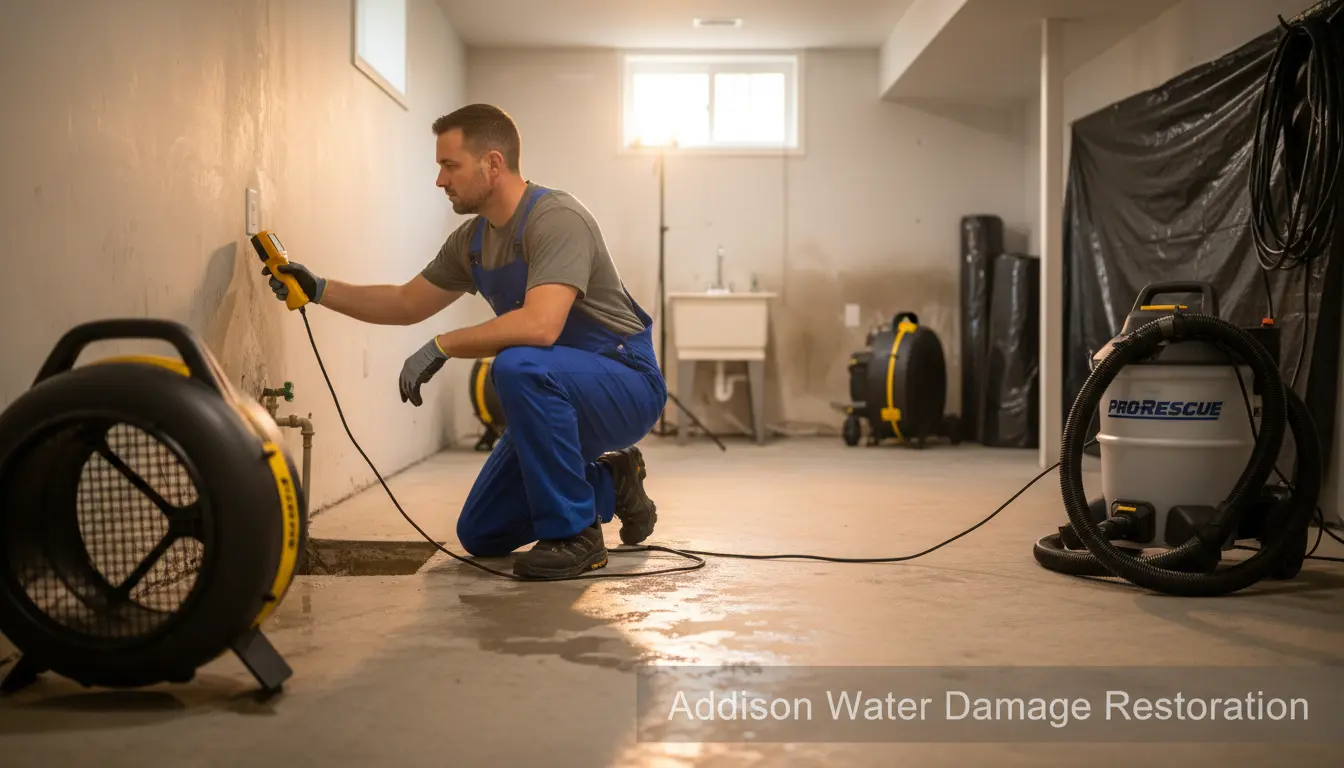
Living in Illinois means dealing with a mix of harsh winters, heavy rains, and humid summers, all of which can turn your property into a water damage hotspot. If you’re a homeowner in Addison or nearby areas like Lombard, you know how quickly a small leak can escalate into a major disaster. At Addison Water Damage Restoration, we’ve seen it all—from burst pipes during freezing temps to basement floods after a spring storm. In this post, we’ll dive into the top 10 causes of water damage specific to Illinois properties, offering practical tips to protect your home and actionable advice to minimize risks. Whether you’re prepping for the next snowmelt or just want peace of mind, read on to safeguard your investment.
Understanding Water Damage in the Illinois Climate
Illinois’ weather patterns play a huge role in water-related issues. From the windy city of Chicago down to the prairies around Addison, properties face unique challenges like rapid freeze-thaw cycles and intense thunderstorms. Water damage isn’t just inconvenient—it’s costly, often leading to mold growth, structural weakening, and skyrocketing repair bills. According to local experts, over 40% of Illinois homeowners deal with some form of water intrusion annually. But knowledge is power. By identifying common culprits, you can take proactive steps to prevent them.
Why Illinois Homes Are Vulnerable
The state’s clay-heavy soils retain moisture, exacerbating foundation issues, while aging infrastructure in older neighborhoods like those in Villa Park adds to the risk. High water tables in areas near the Fox River can lead to unexpected seepage. Regular inspections are key—schedule one today to catch problems early.
1. Burst Pipes from Freezing Temperatures
Winter in Illinois is brutal, with temperatures dipping below zero in Addison and surrounding suburbs. When pipes freeze and expand, they can burst, releasing gallons of water in minutes.
Prevention Tips
- Insulate exposed pipes in attics, basements, and crawl spaces using foam sleeves.
- Keep garage doors closed and maintain a consistent indoor temperature above 55°F.
- Know your home’s shut-off valve location for quick action during emergencies.
If a burst happens, contact Addison Water Damage Restoration immediately for basement flood restoration to dry out affected areas and prevent mold.
2. Roof Leaks Due to Heavy Snow and Rain
Illinois sees heavy snowfall—up to 30 inches annually in some areas—and sudden thaws can overload roofs, causing leaks around shingles or flashing.
Actionable Advice
- Inspect your roof biannually, especially after storms, for missing granules or cracked seals.
- Install gutter guards to prevent ice dams, which trap water against your home’s exterior.
- Trim overhanging branches to avoid added weight during winter storms.
For properties in Itasca, where wind gusts are common, reinforcing roof edges can make a big difference.
3. Appliance Malfunctions
Washing machines, dishwashers, and water heaters are silent culprits. A faulty hose or valve can flood your kitchen or laundry room overnight.
Practical Steps
-
Replace rubber hoses every 5 years with braided stainless steel ones for durability.
-
Install water leak detectors near appliances; many connect to smart home systems for alerts.
-
Schedule annual maintenance for your water heater to catch corrosion early.
In Addison homes, where space is at a premium, even small floods can damage carpet water damage—act fast to salvage your flooring.
4. Sewer Backups from Clogged Lines
Aging sewer systems in Illinois, combined with tree roots invading pipes, often lead to backups that flood basements and bathrooms.
How to Mitigate
- Avoid flushing non-biodegradable items like wipes or grease down drains.
- Have your sewer lines inspected every 2-3 years using a camera scope.
- Plant trees at least 10 feet from your foundation to prevent root intrusion.
If you’re facing a sewage backup cleanup situation in Roselle, our team at Addison Water Damage Restoration uses specialized equipment to restore safety quickly.
5. Foundation Cracks from Soil Expansion
Illinois’ expansive soils swell with rain and shrink in drought, cracking foundations and allowing water to seep in.
Protective Measures
- Seal cracks with hydraulic cement or polyurethane injections for a watertight barrier.
- Ensure proper grading around your home so water flows away from the foundation.
- Install French drains if you’re in a low-lying Addison neighborhood prone to pooling.
Early detection can save thousands—consider our insurance claim support to navigate repairs smoothly.
6. Storm-Related Flooding
Thunderstorms and flash floods are common in Illinois summers, overwhelming drainage systems and flooding properties.
Preparation Tips
- Elevate valuables and install sump pumps with battery backups in basements.
- Clear storm drains and gutters before heavy rain seasons.
- Sandbag entry points during flood watches issued by local authorities.
For Addison residents, staying alert to DuPage County alerts can prevent odor elimination treatment needs post-flood.
7. Poorly Installed or Aging Plumbing
Older homes in areas like Streamwood often have galvanized pipes that corrode over time, leading to leaks.
Upgrade Recommendations
- Repipe with PEX or copper for longevity and flexibility.
- Check for signs like low water pressure or discolored water.
- Hire licensed plumbers for any DIY-avoid installations.
8. HVAC System Condensation Issues
High humidity in Illinois summers causes AC units to produce excess condensation, which can leak if drains clog.
Maintenance Advice
- Clean evaporator coils annually and ensure drain lines are clear.
- Use a condensate pump if your system is in a basement.
- Monitor humidity levels with a dehumidifier to reduce strain.
9. Exterior Water Intrusion from Siding or Windows
Wind-driven rain can penetrate cracks in siding or around windows, especially in older Illinois brick homes.
Sealing Strategies
- Caulk gaps around windows and doors with silicone sealant.
- Repaint or reseal siding every 5-7 years.
- Install window well covers for below-grade windows.
10. Human Error: Overwatering or Forgotten Taps
Simple oversights like leaving a hose running or overwatering lawns can lead to indoor flooding.
Daily Habits
- Use timers on irrigation systems tailored to Illinois’ seasonal needs.
- Teach family members about water conservation.
- Install automatic shut-off valves for added safety.
FAQ: Common Questions About Water Damage in Illinois
What should I do immediately after discovering water damage in my Addison home?
Turn off the water source, remove standing water if safe, and call professionals like Addison Water Damage Restoration for assessment and drying to prevent mold.
How much does water damage restoration cost in Illinois?
Costs vary from $1,000 for minor leaks to $10,000+ for extensive floods, depending on damage extent. We offer free estimates and assist with insurance claim support.
Can water damage lead to health issues?
Yes, it promotes mold and bacteria growth, causing respiratory problems. Prompt odor elimination treatment and cleanup are essential.
Is flood insurance necessary in Addison?
Standard homeowner’s policies don’t cover floods, so yes—especially near local waterways. Contact us for guidance.
How long does it take to restore a water-damaged property?
Typically 3-5 days for drying and repairs, but severe cases like sewage backup cleanup may take longer.
Conclusion: Protect Your Illinois Property Today
Water damage doesn’t have to derail your life in Addison or greater Illinois. By understanding these top 10 causes—from freezing pipes to storm floods—and implementing our practical tips, you can fortify your home against the elements. At Addison Water Damage Restoration, we’re your local experts, serving Addison and nearby communities with rapid response and comprehensive services. Don’t wait for disaster—contact us today for a free consultation and keep your property safe and dry year-round.