
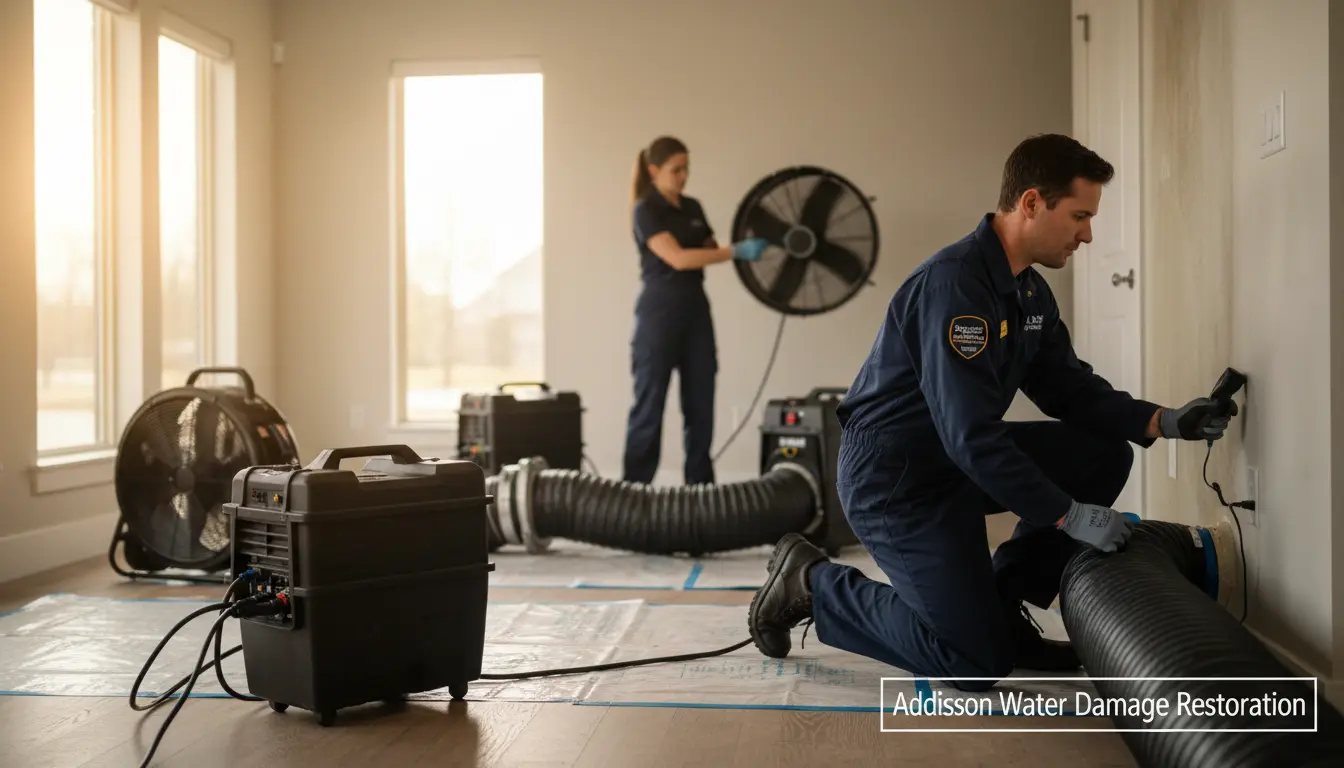
Imagine waking up to the sound of rushing water in your Addison home—only to realize it’s not the nearby DuPage River, but a burst pipe or heavy storm flooding your basement. Floods can strike unexpectedly in our community, especially during Illinois’ unpredictable weather seasons. As a trusted local service, Addison Water Damage Restoration understands the urgency of restoring your property quickly to avoid further damage like mold growth or structural issues. In this guide, we’ll share practical, step-by-step tips to help you dry your home effectively after a flood. Whether it’s a minor overflow or major water intrusion, these strategies can make a big difference while you await professional assistance.
Understanding the Risks of Post-Flood Moisture in Addison Homes
Water damage isn’t just about the immediate mess; it can lead to long-term problems if not addressed promptly. In Addison, where homes often feature basements and crawl spaces vulnerable to groundwater from nearby lakes or heavy rains, lingering moisture promotes mold, weakens wood structures, and even affects your health with poor indoor air quality.
Why Quick Drying Matters
The first 24-48 hours are critical. According to restoration experts, mold can begin growing within this window if humidity levels stay above 60%. For Addison residents, this is especially relevant during humid summers or after spring thaws that swell local waterways. Acting fast preserves your investment and ensures a safer living environment.
Step-by-Step Guide: Immediate Actions After a Flood
Don’t panic—start with these foundational steps to mitigate damage right away. Remember, while these tips are helpful, they’re no substitute for calling professionals like us at Addison Water Damage Restoration for thorough emergency water removal.
1. Ensure Safety First
Before touching anything, prioritize safety. Turn off electricity at the breaker if water has reached outlets or wiring—floodwaters in Addison can carry contaminants from nearby industrial areas. Wear protective gear like rubber boots and gloves to avoid exposure to bacteria. If the flooding is severe, evacuate and contact emergency services.
2. Stop the Water Source
Identify and halt the flood’s origin. For pipe bursts common in older Addison neighborhoods, shut off your main water valve. If it’s external flooding from storms affecting areas like the Addison Industrial District, ensure drains are clear to prevent re-entry.
Essential Drying Techniques for Your Addison Property
Once safety is secured, focus on extraction and drying. These methods are tailored for typical Addison homes, which often have carpeted basements and wooden framing susceptible to warping.
Remove Standing Water Promptly
Use buckets, wet-dry vacuums, or towels to extract visible water. For larger volumes, consider renting a submersible pump from a local hardware store in Addison. This step prevents water from seeping deeper into walls and floors. If you’re overwhelmed, our water extraction services can handle this efficiently, saving you time and effort.
Ventilate and Dehumidify
Open windows and doors to promote airflow, but only if outdoor humidity is lower—Addison’s climate can vary, so check local weather apps. Set up fans to circulate air; position them to blow outward from affected areas. Invest in a dehumidifier to pull moisture from the air; aim for under 50% relative humidity. In humid post-rain conditions common around Lake Street, this is crucial to speed up evaporation.
Dry Out Walls, Floors, and Belongings
Walls and Floors
Remove baseboards and lift carpets to dry underneath. Use a fan or heater (safely, away from water) to warm the area, but avoid high heat that could cause uneven drying and cracks. For hardwood floors in Addison colonials, prop up rugs and use moisture absorbers like silica gel packs.
Personal Items
Sort belongings immediately: salvage what you can by air-drying books and papers in a well-ventilated space. For important documents affected by water, professional document recovery assistance can freeze items to prevent ink bleeding while we restore them. Electronics should be dried externally and not powered on until fully dry.
Advanced Tips for Thorough Post-Flood Recovery
Beyond basics, these strategies ensure complete dryness and prevent recurrence, drawing from our experience serving Addison and nearby communities like Carol Stream and Lombard.
Employ Professional-Grade Tools
While DIY is a start, tools like industrial fans and desiccant dehumidifiers offer faster results. If your home has extensive damage, opt for our structural drying process, which uses advanced equipment to target hidden moisture in walls and ceilings.
Monitor for Hidden Moisture
Use a moisture meter (available at Addison’s home improvement stores) to check drywall and insulation. Probe walls starting 12 inches above the floor; readings over 15% indicate ongoing issues. In Addison’s clay-heavy soils, groundwater can linger, so regular checks are key.
Prevent Future Floods
Elevate appliances in basements, install sump pumps, and seal foundation cracks. For Addison homeowners near flood-prone zones like the Salt Creek area, consider flood barriers. We also provide guidance on insurance claim support to cover preventive upgrades.
FAQ: Common Questions About Drying Your Home After a Flood in Addison
How long does it take to dry a flooded home?
It varies by extent, but with proper ventilation and dehumidifiers, small areas can dry in 2-3 days. Larger floods may take a week or more—professional services like ours can accelerate this to minimize downtime.
Can I use my home’s HVAC system for drying?
Yes, but run the AC to dehumidify rather than heat. Clean filters first to avoid spreading contaminants. In Addison’s variable climate, combining HVAC with fans works best.
What if I smell mold after drying?
Mold odors signal incomplete drying. Inspect hidden spots and use antimicrobial treatments. Contact Addison Water Damage Restoration immediately for safe remediation to protect your family’s health.
Is DIY drying enough, or do I need pros?
For minor incidents, DIY helps, but severe floods require experts to detect hidden damage and ensure compliance with local codes in Addison.
Does insurance cover drying costs in Addison?
Most policies do for sudden floods, but not gradual seepage. We’re here to assist with claims, ensuring you get fair coverage without hassle.
Conclusion: Take Control and Call the Experts Today
Drying your Addison home post-flood doesn’t have to be overwhelming when armed with these quick tips. From immediate safety checks to advanced dehumidification, proactive steps protect your property and peace of mind. However, for the best results and to avoid costly mistakes, partner with Addison Water Damage Restoration. Our local team serves Addison and surrounding areas like Schaumburg and Bartlett, delivering rapid, reliable service. Don’t wait—contact us at (630) 626-8514 or visit our website for a free assessment. Let’s get your home dry and restored today!