
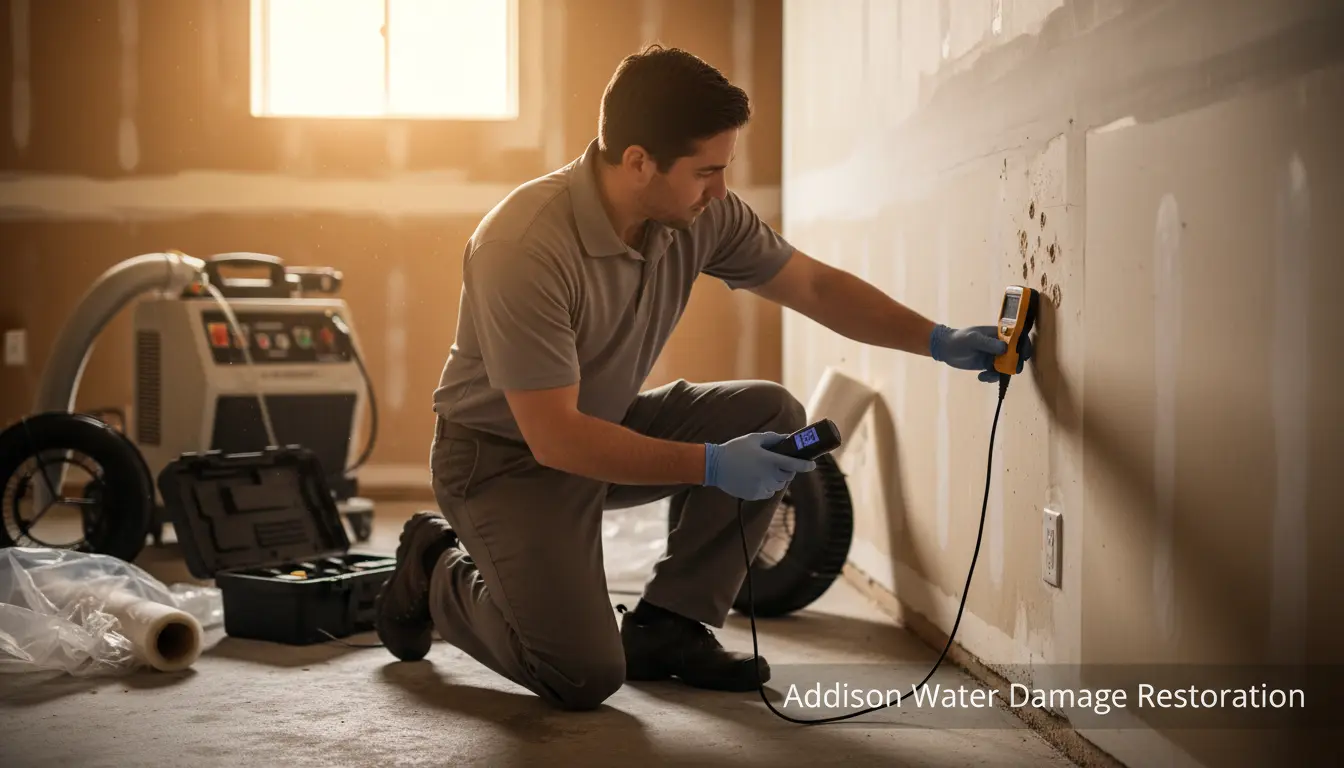
Water damage can strike unexpectedly, turning your cozy Addison home into a potential health hazard. In Illinois, where humid summers and harsh winters create the perfect breeding ground for mold, spotting early signs is crucial. If you’ve recently dealt with flooding from a burst pipe or heavy rains, you might be wondering: how do you know if mold is lurking? At Addison Water Damage Restoration, we’ve helped countless homeowners in Addison and surrounding areas like Wheaton restore their properties safely. In this guide, we’ll walk you through the essentials of identifying mold post-water damage, offering practical tips to safeguard your family and home.
Understanding Water Damage and Mold Growth in Illinois
Illinois’ climate plays a significant role in how quickly mold develops after water exposure. The state’s average humidity levels, often hovering around 60-70% in summer, combined with cooler indoor temperatures, accelerate mold spore germination. Water damage from sources like leaky roofs or plumbing failures can saturate walls, floors, and ceilings, creating damp environments where mold thrives within 24-48 hours.
Why Illinois Homes Are Vulnerable
In areas like Addison, proximity to Lake Michigan influences local weather patterns, leading to frequent moisture buildup. Basements in older homes, common in this DuPage County suburb, are particularly at risk. If your property in nearby Villa Park has experienced water intrusion, ignoring it could lead to structural damage and respiratory issues for your loved ones.
Visible Signs of Mold After Water Damage
The most obvious indicator of mold is what you can see. Don’t dismiss discoloration as mere staining—mold often appears as black, green, or white fuzzy patches on surfaces.
Wall and Ceiling Discoloration
Look for dark spots or streaks on walls and ceilings, especially in hidden areas like behind furniture. In Addison homes, where basements might flood during spring thaws, these spots can spread rapidly. If you notice bubbling paint or warped drywall, it’s time to act. Our wall and ceiling drying services have saved many local properties from further deterioration.
Floor and Carpet Issues
Carpets that feel squishy or emit a musty odor weeks after drying are red flags. Lift rugs in high-traffic areas to check for hidden growth underneath. In Illinois’ variable climate, incomplete drying exacerbates this—professional emergency water removal is essential to prevent escalation.
Hidden Indicators: Smells and Health Symptoms
Mold isn’t always visible; it can hide in HVAC systems or insulation. Trust your senses and health cues.
Musty Odors and Air Quality Changes
A persistent earthy or mildew smell, even after cleaning, signals active mold. In enclosed spaces like attics in Hoffman Estates homes, this odor can permeate the entire house. Use your nose as a first line of detection—it’s often the earliest warning.
Health Reactions to Watch For
Family members experiencing unexplained allergies, coughing, or headaches? Mold spores can trigger these, especially in sensitive individuals. Children and pets in Addison households are particularly vulnerable. If symptoms worsen indoors, suspect mold and seek mold remediation services promptly.
Practical Tips for Inspecting Your Home
Arm yourself with knowledge to conduct a thorough check. Start with these actionable steps tailored for Illinois residents.
DIY Inspection Checklist
- Ventilate and Dry Immediately: After water damage, use fans and dehumidifiers. For thorough extraction, consider our water extraction services to remove standing water efficiently.
- Check High-Risk Areas: Focus on bathrooms, kitchens, and basements. In Addison, where groundwater levels can rise, inspect foundation cracks.
- Use Tools for Detection: A moisture meter (available at hardware stores) can reveal damp spots invisible to the eye. Aim for readings below 15% moisture content.
- Test the Air: Affordable mold test kits from home centers can sample air quality. For accurate results in complex cases, professional testing is recommended.
When to Call Professionals
If you spot extensive growth or suspect hidden mold, don’t DIY the removal—improper handling spreads spores. In Streamwood and nearby areas, our team at Addison Water Damage Restoration arrives within hours, equipped with HEPA vacuums and containment protocols.
Preventing Mold Growth Post-Water Damage
Spotting mold is step one; prevention ensures it doesn’t return. Illinois’ wet seasons demand proactive measures.
Effective Drying Techniques
Ensure all affected areas are bone-dry. Open windows on dry days, but in humid Illinois summers, rely on industrial dehumidifiers. Pair this with content restoration services to salvage belongings without fostering mold.
Long-Term Home Maintenance
- Install sump pumps in basements, especially in flood-prone Addison neighborhoods.
- Seal cracks in foundations and roofs annually.
- Maintain gutters to divert rainwater—crucial during Illinois’ heavy spring rains.
- Use mold-resistant paints and materials in renovations.
Regular HVAC servicing prevents spore circulation throughout your home.
FAQ: Common Questions About Mold After Water Damage
How Soon Does Mold Grow After Water Damage in Illinois?
Mold can begin growing within 24-48 hours in damp conditions. Illinois’ humidity speeds this up, so act fast.
Can I Remove Small Mold Patches Myself?
For minor surface mold (under 10 square feet), yes—clean with a bleach solution. Larger areas require pros to avoid health risks and recurrence.
Does Home Insurance Cover Mold Remediation in Addison?
Many policies cover mold from sudden water damage, like a burst pipe, but not from neglect. Contact your provider and our team for guidance.
What Are the Health Risks of Mold Exposure?
Short-term: allergies and irritation. Long-term: respiratory issues, especially for asthmatics. In Illinois homes, black mold (Stachybotrys) poses the greatest threat.
How Much Does Mold Removal Cost in Illinois?
Costs vary from $500 for small jobs to $6,000+ for extensive remediation. Factors include area size and location—Addison services are competitively priced.
Conclusion: Protect Your Addison Home Today
Spotting mold after water damage doesn’t have to be overwhelming. By recognizing visible signs, heeding odors and health cues, and following our inspection tips, you can catch issues early and prevent costly repairs. In Illinois’ challenging climate, especially around Addison, timely intervention is key to maintaining a safe, healthy living space.
Don’t wait for mold to take hold—contact Addison Water Damage Restoration for expert assessment and restoration. Whether you’re in Addison or nearby Medinah, our 24/7 emergency response ensures peace of mind. Call us today at (630) 626-8514 or visit our site to schedule a free inspection. Your home deserves the best protection—let’s restore it together!